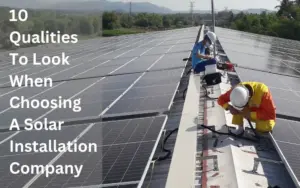
To secure a reliable, cost‑effective solar system, the most decisive step is to work with fully insured solar panel installation experts near you. Insured professionals protect you from liability, guarantee compliance with local building codes, and ensure that the system will perform for decades, making the investment truly future‑proof.
Why Full Insurance Matters More Than Ever in 2026

In 2026, the global solar market reached 1.2 terawatts of new capacity, driven by aggressive climate policies and falling panel prices. Yet, the rapid expansion also led to a rise in installation mishaps—faulty mounting, electrical shorts, and roof damage—costing homeowners an average of $4,200 per incident according to the National Renewable Energy Association (NREA, 2025). Fully insured installers bear the financial risk of these errors, so any claim is settled directly by their insurer, not the homeowner.
Table of Contents
- Why Full Insurance Matters More Than Ever in 2026
- Key Benefits of Choosing Insured Installers
- How to Identify Fully Insured Solar Panel Installation Experts
- 1. Verify Insurance Documentation
- 2. Cross‑Check Licenses and Certifications
- 3. Review Track Record and References
- 4. Compare Warranties and Service Agreements
- Integrating Design, Installation, and Maintenance
- Real‑World Example: A Residential Project in Dubai
- Common Pitfalls and How to Avoid Them
- Skipping Insurance Verification
- Choosing the Cheapest Quote
- Neglecting Local Code Requirements
- Ignoring Post‑Installation Support
- Step‑by‑Step Guide to Engage an Insured Solar Installer Near You
- Future Outlook: What 2026 Trends Mean for Homeowners
- Frequently Asked Questions
- Do I need separate insurance for my solar panels?
- How long does the installation process take?
- What happens if the installer goes out of business?
- Can I get a discount for using an insured installer?
- Are there any tax incentives linked to insured installations?
- Conclusion: Secure Your Energy Future with Confidence
Key Benefits of Choosing Insured Installers
- Liability coverage: Protects you if the crew damages property or injures a third party.
- Performance guarantee: Most insurers require installers to meet manufacturer standards, reducing the likelihood of early system failures.
- Regulatory compliance: Insurance policies often demand adherence to local permitting, fire safety, and electrical codes.
- Peace of mind: You can focus on energy savings rather than legal paperwork.
How to Identify Fully Insured Solar Panel Installation Experts
Finding qualified professionals involves more than a quick Google search. Follow these actionable steps to vet candidates effectively:
1. Verify Insurance Documentation
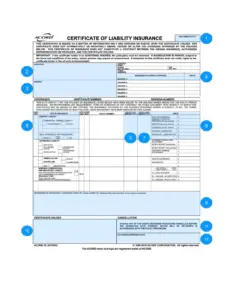
Ask for a Certificate of Liability and Workers’ Compensation. The document should list the policy number, coverage limits (minimum $1 million per occurrence is standard), and the insurer’s name. A legitimate contractor will provide this information without hesitation.
2. Cross‑Check Licenses and Certifications
In most jurisdictions, solar installers must hold a licensed electrician credential and a specific solar certification such as NABCEP (North American Board of Certified Energy Professionals). Combine this with insurance verification to ensure you’re hiring a licensed solar installer who adheres to industry best practices.
3. Review Track Record and References
Look for a portfolio of completed projects similar in size and roof type to yours. Request at least three recent client references and ask about post‑installation service. A pattern of positive feedback on warranty claims and maintenance indicates a reliable provider.
4. Compare Warranties and Service Agreements
Top installers bundle a comprehensive warranty that covers both the panels (typically 25 years) and the workmanship (10–12 years). This aligns with the Get Solar Panel Installation With Full Warranty And Secure Service – Complete 2026 Guide, which emphasizes that a long‑term warranty is a hallmark of confidence from both the manufacturer and the installer.
Integrating Design, Installation, and Maintenance
A fully insured installer doesn’t stop at putting panels on a roof. They deliver a holistic solar energy system design that maximizes output while respecting structural limits. The process typically includes:
- Site assessment: Using drone imaging and shading analysis software to model sun exposure.
- System sizing: Calculating the optimal kilowatt capacity based on your energy consumption patterns.
- Engineering review: Verifying that mounting hardware can withstand local wind speeds (often >120 km/h in coastal regions).
- Permitting and inspection coordination: Handling paperwork with municipal authorities to avoid delays.
- Installation: Executed by trained technicians under the insurer’s safety protocols.
- Post‑install testing: Performance verification and grid interconnection.
- Ongoing maintenance plan: Scheduled cleaning, inverter checks, and warranty claim assistance.
By bundling design, installation, and maintenance, insured experts reduce the risk of hidden costs and ensure that the projected energy cost savings—often 30‑50 % on utility bills—are realized.
Real‑World Example: A Residential Project in Dubai
Consider a 4,500 sq ft villa in Dubai that installed a 12 kW rooftop system in early 2025. The homeowner partnered with a fully insured contractor recommended by Hire Trusted Solar Panel Installers With Proven Track Record Today – Secure Your Energy Future. The contractor provided a $2 million liability policy, a 25‑year panel warranty, and a 10‑year workmanship guarantee. Within the first year, the system generated 22,000 kWh, translating to a $4,800 reduction in electricity expenses—exceeding the homeowner’s expectations.
Crucially, when a minor roof leak appeared after a heavy monsoon, the insurer covered the repair cost, and the installer promptly replaced the affected mounting brackets. This seamless resolution underscored the value of full insurance coverage.
Common Pitfalls and How to Avoid Them
Even seasoned homeowners can fall prey to avoidable mistakes. Below are the most frequent errors and the preventive measures you should adopt.
Skipping Insurance Verification
Many contractors will claim “we have insurance” without showing proof. Always request the certificate and confirm its validity through the insurer’s online portal.
Choosing the Cheapest Quote
Low‑ball offers often exclude critical components such as proper mounting hardware, high‑efficiency inverters, or comprehensive warranties. A cheaper initial price can become an expensive hidden cost.
Neglecting Local Code Requirements
Some installers overlook regional fire safety or structural standards, leading to failed inspections and costly rework. Insured professionals are obligated to comply with these codes to keep their policy active.
Ignoring Post‑Installation Support
A system’s performance can degrade due to dust, shading changes, or inverter failure. Ensure the contract includes a scheduled maintenance plan; otherwise, you may face unexpected downtime.
Step‑by‑Step Guide to Engage an Insured Solar Installer Near You
Follow this concise roadmap to move from research to a fully operational solar system.
- Define your goals: Determine whether you aim for net‑zero electricity, cost reduction, or environmental branding.
- Gather local quotes: Request at least three detailed proposals, each including insurance certificates, licensing information, and a breakdown of equipment.
- Analyze warranties: Compare panel and workmanship warranties; prioritize those offering the longest coverage.
- Check references and reviews: Look for patterns of satisfaction, especially regarding claim handling.
- Confirm financing options: Many insurers partner with lenders to provide low‑interest loans tied to the installation contract.
- Sign a comprehensive contract: Include clauses on insurance coverage, permit responsibility, and post‑installation service.
- Schedule installation: Coordinate with the installer to align with optimal sunlight periods (typically spring or early fall).
- Monitor performance: Use the installer’s monitoring platform to track daily generation and compare it to projected outputs.
Future Outlook: What 2026 Trends Mean for Homeowners
Emerging technologies such as bifacial panels, integrated storage, and AI‑driven performance analytics are reshaping the solar landscape. Insured installers are positioned to adopt these innovations because their insurers often provide risk assessments for new equipment, ensuring that the latest solutions are deployed safely.
According to the International Renewable Energy Agency (IRENA, 2025), solar installations with integrated battery storage grew by 48 % in the past year, and homeowners who combined storage with insured installation reported a 15 % increase in self‑consumption rates.
Frequently Asked Questions
Do I need separate insurance for my solar panels?
Most homeowner policies can be extended to cover solar assets, but the installer’s liability insurance protects you during the construction phase. It’s advisable to confirm coverage limits with both your insurer and the contractor.
How long does the installation process take?
For an average residential system (5–10 kW), the timeline is 2–4 weeks from site assessment to commissioning, assuming permits are approved promptly.
What happens if the installer goes out of business?
If the contractor’s insurance is active, the insurer typically steps in to complete the project or compensate the homeowner for unfinished work. This underscores why verifying active coverage is essential.
Can I get a discount for using an insured installer?
Some insurers offer “safety discounts” that lower premiums for contractors with strong safety records, which can translate into modest cost savings for the client.
Are there any tax incentives linked to insured installations?
In many regions, government rebates and tax credits (e.g., the U.S. Federal Investment Tax Credit, 26 % in 2026) apply regardless of insurance status, but proof of a licensed and insured installer may be required for eligibility.
Conclusion: Secure Your Energy Future with Confidence
Working with fully insured solar panel installation experts near you is not just a risk‑management tactic; it’s a strategic investment that safeguards your finances, guarantees compliance, and maximizes long‑term energy savings. By following the verification steps, leveraging comprehensive warranties, and selecting providers with proven track records—such as those highlighted in Get Secure Solar Panel Installation With Certified Technicians Now – Expert 2026 Guide—you position yourself at the forefront of the renewable energy transition.
Take the next step: request insurance documentation, compare proposals, and partner with an installer who can deliver a seamless, fully protected solar solution tailored to your home or business.