Ignoring Post‑Installation Support
A system’s performance can degrade due to dust, shading changes, or inverter failure. Ensure the contract includes a scheduled maintenance plan; otherwise, you may face unexpected downtime.
Step‑by‑Step Guide to Engage an Insured Solar Installer Near You
Follow this concise roadmap to move from research to a fully operational solar system.
- Define your goals: Determine whether you aim for net‑zero electricity, cost reduction, or environmental branding.
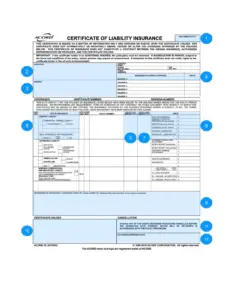
- Gather local quotes: Request at least three detailed proposals, each including insurance certificates, licensing information, and a breakdown of equipment.
- Analyze warranties: Compare panel and workmanship warranties; prioritize those offering the longest coverage.
- Check references and reviews: Look for patterns of satisfaction, especially regarding claim handling.
- Confirm financing options: Many insurers partner with lenders to provide low‑interest loans tied to the installation contract.
- Sign a comprehensive contract: Include clauses on insurance coverage, permit responsibility, and post‑installation service.
- Schedule installation: Coordinate with the installer to align with optimal sunlight periods (typically spring or early fall).
- Monitor performance: Use the installer’s monitoring platform to track daily generation and compare it to projected outputs.
Future Outlook: What 2026 Trends Mean for Homeowners
Emerging technologies such as bifacial panels, integrated storage, and AI‑driven performance analytics are reshaping the solar landscape. Insured installers are positioned to adopt these innovations because their insurers often provide risk assessments for new equipment, ensuring that the latest solutions are deployed safely.
Table of Contents
- Ignoring Post‑Installation Support
- Step‑by‑Step Guide to Engage an Insured Solar Installer Near You
- Future Outlook: What 2026 Trends Mean for Homeowners
- Frequently Asked Questions
- Do I need separate insurance for my solar panels?
- How long does the installation process take?
- What happens if the installer goes out of business?
- Can I get a discount for using an insured installer?
According to the International Renewable Energy Agency (IRENA, 2025), solar installations with integrated battery storage grew by 48 % in the past year, and homeowners who combined storage with insured installation reported a 15 % increase in self‑consumption rates.
Frequently Asked Questions
Do I need separate insurance for my solar panels?
Most homeowner policies can be extended to cover solar assets, but the installer’s liability insurance protects you during the construction phase. It’s advisable to confirm coverage limits with both your insurer and the contractor.
How long does the installation process take?
For an average residential system (5–10 kW), the timeline is 2–4 weeks from site assessment to commissioning, assuming permits are approved promptly.
What happens if the installer goes out of business?
If the contractor’s insurance is active, the insurer typically steps in to complete the project or compensate the homeowner for unfinished work. This underscores why verifying active coverage is essential.
Can I get a discount for using an insured installer?
Some insurers offer “safety discounts” that lower premiums for contractors with strong safety records, which can translate into modest cost savings for the client.