A fully insured installer doesn’t stop at putting panels on a roof. They deliver a holistic solar energy system design that maximizes output while respecting structural limits. The process typically includes:
- Site assessment: Using drone imaging and shading analysis software to model sun exposure.
- System sizing: Calculating the optimal kilowatt capacity based on your energy consumption patterns.
- Engineering review: Verifying that mounting hardware can withstand local wind speeds (often >120 km/h in coastal regions).
- Permitting and inspection coordination: Handling paperwork with municipal authorities to avoid delays.
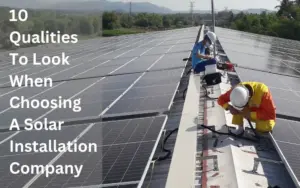
- Installation: Executed by trained technicians under the insurer’s safety protocols.
- Post‑install testing: Performance verification and grid interconnection.
- Ongoing maintenance plan: Scheduled cleaning, inverter checks, and warranty claim assistance.
By bundling design, installation, and maintenance, insured experts reduce the risk of hidden costs and ensure that the projected energy cost savings—often 30‑50 % on utility bills—are realized.
Real‑World Example: A Residential Project in Dubai
Consider a 4,500 sq ft villa in Dubai that installed a 12 kW rooftop system in early 2025. The homeowner partnered with a fully insured contractor recommended by Hire Trusted Solar Panel Installers With Proven Track Record Today – Secure Your Energy Future. The contractor provided a $2 million liability policy, a 25‑year panel warranty, and a 10‑year workmanship guarantee. Within the first year, the system generated 22,000 kWh, translating to a $4,800 reduction in electricity expenses—exceeding the homeowner’s expectations.
Table of Contents
Crucially, when a minor roof leak appeared after a heavy monsoon, the insurer covered the repair cost, and the installer promptly replaced the affected mounting brackets. This seamless resolution underscored the value of full insurance coverage.
Common Pitfalls and How to Avoid Them
Even seasoned homeowners can fall prey to avoidable mistakes. Below are the most frequent errors and the preventive measures you should adopt.
Skipping Insurance Verification
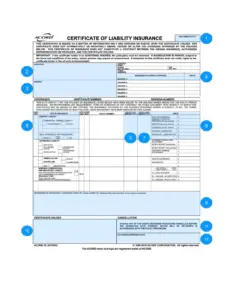
Many contractors will claim “we have insurance” without showing proof. Always request the certificate and confirm its validity through the insurer’s online portal.
Choosing the Cheapest Quote
Low‑ball offers often exclude critical components such as proper mounting hardware, high‑efficiency inverters, or comprehensive warranties. A cheaper initial price can become an expensive hidden cost.
Neglecting Local Code Requirements
Some installers overlook regional fire safety or structural standards, leading to failed inspections and costly rework. Insured professionals are obligated to comply with these codes to keep their policy active.