For anyone looking to secure a dependable solar installation backed by a long‑term warranty, the most effective approach is to partner with a certified installer that offers comprehensive post‑installation support and a clear, enforceable warranty contract. This strategy minimizes unexpected downtime, safeguards your investment against performance degradation, and ensures that the system continues to deliver optimal energy savings throughout its lifespan.
Why a Long‑Term Warranty Matters in Solar Installations
Solar panels are typically designed to operate for 25‑30 years, yet manufacturers and installers know that real‑world conditions—such as harsh weather, shading changes, and grid fluctuations—can affect performance. A robust warranty not only covers product defects but also guarantees performance output and system availability over time. According to the International Renewable Energy Agency (IREA), installations with performance guarantees see an average 12 % higher return on investment (ROI) than those without such assurances (IREA 2025 Report).
Table of Contents
- Why a Long‑Term Warranty Matters in Solar Installations
- Key Components of a Reliable Solar Installation Service
- 1. Certified Installers and Quality Assurance
- 2. Comprehensive Warranty Structures
- 3. Monitoring and Maintenance Services
- Case Study: A Commercial Campus Reduces Operating Costs by 38 %
- Data‑Driven Insights: Solar Market Trends in 2025‑2026
- Step‑by‑Step Guide to Securing a Reliable Solar Installation with Long‑Term Warranty Protection
- Common Pitfalls and How to Avoid Them
- FAQ: What Homeowners and Business Leaders Frequently Ask
- What is the typical duration of a solar performance warranty?
- Can I transfer the warranty if I sell the property?
- How does a warranty protect me from inverter failures?
- Do I need additional insurance for my solar system?
- What financing options best complement a long‑term warranty?
- Future Outlook: Solar Installation Services in the Next Decade
- Conclusion: Protecting Your Solar Investment Starts with the Right Service Partner
Key Components of a Reliable Solar Installation Service
1. Certified Installers and Quality Assurance
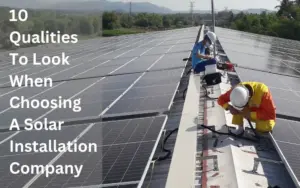
Choosing a team that holds NABCEP (North American Board of Certified Energy Practitioners) certification or an equivalent local accreditation assures adherence to industry best practices. Certified installers conduct:
- Site‑specific shading analysis using LIDAR or drone‑based mapping.
- Electrical design that complies with the latest IEC 61730 and NEC 2023 standards.
- Permitting and interconnection coordination with utility providers.
These steps reduce the risk of future system failures and streamline the warranty claim process.
2. Comprehensive Warranty Structures
A solid warranty package typically consists of three layers:
- Product warranty (usually 10–12 years) covering defects in panels, inverters, and mounting hardware.
- Performance warranty (often 25 years) guaranteeing a minimum output—commonly 80 % of the nameplate rating after 25 years.
- Labor warranty (5–10 years) that protects against installation errors and covers on‑site service calls.
When these layers are combined, the homeowner enjoys “peace of mind” that any loss in efficiency will be compensated, preserving the projected savings.
3. Monitoring and Maintenance Services
Modern installations incorporate real‑time monitoring platforms—such as SolarEdge’s Monitoring Portal or Enphase’s Enlighten—that alert both the owner and the installer to performance anomalies. Many reputable installers bundle annual maintenance checks, inverter firmware updates, and cleaning services into the warranty agreement, ensuring the system remains at peak efficiency.
Case Study: A Commercial Campus Reduces Operating Costs by 38 %
In early 2026, a 500,000 sq ft corporate campus in Jakarta partnered with Solar Installation 101, a local NABCEP‑certified firm, to replace its diesel generators with a 1.2 MW grid‑tied solar array. The contract included a 25‑year performance warranty and a 10‑year labor guarantee. Within the first year, the campus reported a 38 % reduction in electricity bills and avoided $45,000 in generator fuel costs.
When a micro‑inverter failure occurred in month 8, the installer responded within 48 hours under the labor warranty, replacing the faulty units at no charge. The swift resolution prevented a projected 1.5 % dip in annual energy yield, illustrating how warranty protection directly translates into financial reliability.
Data‑Driven Insights: Solar Market Trends in 2025‑2026
According to the U.S. Energy Information Administration (EIA), solar installations in the Asia‑Pacific region grew by 21 % in 2025, reaching a cumulative capacity of 210 GW. Meanwhile, the National Renewable Energy Laboratory (NREL) reported that the average levelized cost of electricity (LCOE) for utility‑scale solar fell to $0.028 /kWh in 2025, making it the cheapest new electricity source in many markets.
These trends underscore the importance of selecting installers who can navigate rapidly evolving technology—such as bifacial panels and smart inverters—while offering warranty terms that keep pace with the longer operational lifespans now expected from modern hardware.
Step‑by‑Step Guide to Securing a Reliable Solar Installation with Long‑Term Warranty Protection
- Assess Your Energy Profile – Use utility bills from the past 12 months to calculate average daily consumption. Online tools like the U.S. DOE Solar Calculator help estimate required system size.
- Request Detailed Proposals – Ask at least three certified installers for a breakdown of equipment, design, permitting, and warranty coverage. Compare the total cost of ownership, not just upfront price.
- Validate Warranty Terms – Scrutinize the fine print. Confirm that the performance warranty covers at least 80 % output after 25 years and that labor warranty includes on‑site service visits.
- Check References and Past Projects – Review case studies like Solar Warranty Coverage: Real‑World Examples to see how the installer handled warranty claims.
- Finalize Financing – Explore solar financing options such as power purchase agreements (PPAs), low‑interest loans, or green bank incentives. Many installers partner with lenders that embed warranty costs into the loan terms.
- Monitor Performance Post‑Installation – Activate the system’s monitoring dashboard. Keep records of monthly production to quickly detect any deviation from the performance guarantee.
Common Pitfalls and How to Avoid Them
- Overlooking Labor Warranty Details – Some contracts only cover component replacement, not the labor needed for installation errors. Ensure the labor clause explicitly mentions “on‑site service” and a response time guarantee.
- Choosing the Lowest Bid Without Verification – Extremely low offers may indicate sub‑par equipment or unqualified installers. Verify certifications and ask for proof of product warranties from manufacturers.
- Neglecting System Monitoring – Without real‑time data, minor performance drops can go unnoticed, voiding performance warranty claims. Opt for a monitoring solution included in the contract.
- Ignoring Local Regulations – Some regions require specific interconnection standards or fire safety measures. A reputable installer will handle all permitting, but confirm they are familiar with local codes.
FAQ: What Homeowners and Business Leaders Frequently Ask
What is the typical duration of a solar performance warranty?
Most manufacturers and installers offer a 25‑year performance warranty, guaranteeing that the system will produce at least 80 % of its original capacity at the end of that period.
Can I transfer the warranty if I sell the property?
Yes—most warranties are transferable to new owners, provided the transfer is documented within the warranty’s terms. This can increase property resale value.
How does a warranty protect me from inverter failures?
Inverters usually carry a 10‑year product warranty, which is often extended to 12‑15 years when bundled with a service contract. Labor warranties cover the cost of on‑site replacement, eliminating unexpected repair bills.
Do I need additional insurance for my solar system?
Standard homeowner’s insurance typically covers solar installations, but it’s wise to confirm coverage limits and consider an endorsement for “equipment breakdown” to complement the warranty.
What financing options best complement a long‑term warranty?
Low‑interest green loans, PPAs, and on‑bill financing are popular because they align repayment schedules with the system’s expected savings, while the warranty ensures the system’s performance throughout the loan term.
Future Outlook: Solar Installation Services in the Next Decade
Emerging technologies—such as perovskite‑silicon tandem cells and AI‑driven predictive maintenance—promise higher efficiency and lower degradation rates. As these innovations become mainstream, installers that adopt them early and back them with extended warranties will differentiate themselves in a competitive market.
Moreover, government policies in 2026 are increasingly mandating warranty transparency. The European Union’s Renewable Energy Directive (RED II) now requires all solar contracts to disclose warranty duration, coverage scope, and claim procedures in a standardized format, empowering consumers to make better‑informed decisions.
Conclusion: Protecting Your Solar Investment Starts with the Right Service Partner
Securing a reliable solar installation that includes long‑term warranty protection is not a luxury—it’s a necessity for maximizing ROI and ensuring uninterrupted clean energy generation. By vetting certified installers, demanding comprehensive warranty packages, and leveraging real‑time monitoring, homeowners and businesses can safeguard their investments against performance losses, equipment failures, and unforeseen costs.
Ready to make the switch? Start by reviewing the latest solar energy trends for 2026 and request a detailed proposal from a reputable installer today.