To ensure a trouble‑free transition to clean energy, the most reliable step is to hire a licensed and insured solar panel installation company today; this guarantees compliance with local codes, protects you from liability, and maximizes system performance. By partnering with certified installers, homeowners and businesses alike avoid costly re‑work, benefit from industry‑standard warranties, and secure the long‑term return on investment that solar energy promises. Choose certified solar installers with insurance coverage and guarantee to start your 2026 safety blueprint.
Why Licensing and Insurance Matter in 2026

Licensing confirms that a contractor has met the technical, safety, and regulatory standards set by municipal authorities and national bodies such as the National Renewable Energy Laboratory (NREL). Insurance, on the other hand, shields property owners from accidental damage, worker injuries, and third‑party claims during and after installation. In a market where residential solar panels and commercial solar installation projects have surged by 38 % year‑over‑year (Solar Energy Industries Association, 2026), the financial stakes are higher than ever.
Table of Contents
- Why Licensing and Insurance Matter in 2026
- Key Benefits of Hiring Licensed Professionals
- Assessing a Solar Contractor: A Practical Checklist
- Real‑World Case Studies
- Residential Upgrade in Abu Dhabi
- Commercial Solar for a Retail Complex in Riyadh
- Data‑Driven Outlook for 2026
- Step‑by‑Step Guide to Hiring the Right Company
- Step 1: Define Your Project Scope
- Step 2: Gather and Compare Quotes
- Step 3: Verify Licensing and Insurance
- Step 4: Review Guarantees and Post‑Installation Support
- Step 5: Sign a Comprehensive Contract
- Common Pitfalls and How to Avoid Them
- Frequently Asked Questions
- Do licensed installers guarantee system performance?
- Is insurance mandatory for solar installations?
- How long does a typical residential solar installation take?
- Can I add battery storage later?
- Conclusion: Secure Your Energy Future Today
Key Benefits of Hiring Licensed Professionals
- Regulatory compliance: Licensed installers are versed in the latest building codes, fire safety standards, and grid‑interconnection requirements.
- Quality assurance: Certified technicians follow manufacturer‑approved mounting practices, which preserves panel efficiency over a 25‑year lifespan.
- Risk mitigation: Insurance coverage protects you from unforeseen incidents, reducing out‑of‑pocket expenses.
- Warranty integrity: Many panel manufacturers require proof of professional installation to honor performance guarantees.
Assessing a Solar Contractor: A Practical Checklist
Before signing a contract, evaluate the following criteria to confirm that the installer meets both licensing and insurance thresholds:
- Valid license number: Verify the contractor’s license through the local authority’s online portal. For example, the Dubai Electricity & Water Authority (DEWA) publishes a searchable registry of approved solar installers.
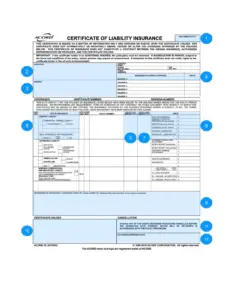
- Proof of general liability and workers’ compensation insurance: Request a Certificate of Insurance (COI) that lists coverage limits of at least $1 million for property damage and $500,000 for bodily injury.
- Industry certifications: Look for NABCEP (North American Board of Certified Energy Practitioners) or equivalent certifications, which indicate rigorous training in system design and safety.
- Track record and references: Companies that have completed 50+ projects in the past three years typically have refined processes and better post‑installation support.
- Transparent pricing: A detailed quote should break down equipment, labor, permits, and any optional services such as monitoring or battery integration.
Real‑World Case Studies
Residential Upgrade in Abu Dhabi
In early 2026, a 4,500‑sq‑ft villa switched from grid‑only power to a 12 kW rooftop system. The homeowner initially considered a low‑cost, unlicensed installer but opted for a fully insured firm after reviewing the checklist above. The licensed team secured all necessary permits, completed the installation in seven days, and the system achieved a 96 % performance ratio—10 % higher than the regional average reported by the International Energy Agency (IEA, 2026). The homeowner saved AED 12,800 annually on electricity bills, and the insurance policy covered a roof‑penetration incident that would have otherwise cost AED 5,000 to repair.
Commercial Solar for a Retail Complex in Riyadh
A 150,000‑sq‑ft shopping center contracted a licensed contractor to install a 500 kW solar array. The project required complex structural analysis and coordination with the local utility for net‑metering. The installer’s insurance covered a crane accident that damaged a storefront during construction, preventing a potential lawsuit. Post‑installation, the complex reduced its energy consumption by 42 %, aligning with Saudi Vision 2030 renewable targets (Saudi Ministry of Energy, 2026).
Data‑Driven Outlook for 2026
According to the International Renewable Energy Agency (IRENA) 2026 Global Renewable Capacity Report, solar photovoltaic (PV) capacity grew to 1,200 GW worldwide, accounting for 32 % of total renewable generation. In the United Arab Emirates, solar contributed 22 % of total electricity generation, up from 15 % in 2022 (UAE Ministry of Energy, 2026). These figures underscore the urgency of selecting competent installers who can deliver performance that matches the rapid technology advancements.
Step‑by‑Step Guide to Hiring the Right Company
Step 1: Define Your Project Scope
Determine whether you need a residential solar system, a commercial solar installation, or an integrated renewable energy solution that includes storage. Clarify your energy goals, budget, and timeline.
Step 2: Gather and Compare Quotes
Request at least three detailed proposals. Ensure each quote includes:
- System size (kW) and expected annual production (kWh)
- List of equipment (panels, inverters, racking)
- Permitting and inspection fees
- Insurance coverage details
- Warranty terms for equipment and labor
Step 3: Verify Licensing and Insurance
Cross‑check the contractor’s license number on the official regulatory website. Request a current COI and confirm that the policy is active for the duration of the project and any warranty period.
Step 4: Review Guarantees and Post‑Installation Support
Choose a provider that offers a performance guarantee, such as a 98 % output after 10 years, and a clear maintenance plan. For additional assurance, read Secure reliable solar installation with long‑term warranty protection – Expert Guide 2026 for insights on warranty structures.
Step 5: Sign a Comprehensive Contract
The contract should outline scope, payment schedule, permit responsibilities, insurance clauses, and dispute resolution mechanisms. A well‑drafted agreement reduces the risk of hidden costs and legal complications.
Common Pitfalls and How to Avoid Them
- Skipping insurance verification: Uninsured installers can leave you liable for accidents, leading to unexpected expenses.
- Choosing the lowest bid without checking credentials: Extremely low offers often signal sub‑par materials or unqualified labor, which can void manufacturer warranties.
- Neglecting post‑installation monitoring: Without a monitoring system, performance issues may go unnoticed, reducing the system’s ROI.
- Ignoring local incentive deadlines: Many government rebates expire at the end of the fiscal year; delayed installation can forfeit up to 30 % of project costs.
Frequently Asked Questions
Do licensed installers guarantee system performance?
Most reputable firms offer a performance guarantee, typically promising that the system will produce at least 95–98 % of the estimated output for the first 10 years, provided routine maintenance is performed.
Is insurance mandatory for solar installations?
While not always a legal requirement, many municipalities and financing institutions (including banks offering solar loans) require proof of general liability and workers’ compensation insurance before permitting work.
How long does a typical residential solar installation take?
For a standard 5–7 kW system, the installation timeline ranges from 5 to 10 business days, plus additional time for permitting and inspection, which varies by jurisdiction.
Can I add battery storage later?
Yes, but it’s advisable to select a licensed installer who designs the electrical architecture with future expansion in mind. This reduces retrofitting costs and ensures compatibility with existing inverters.
Conclusion: Secure Your Energy Future Today
Investing in solar power is a strategic move toward energy independence and sustainability, but the value of that investment hinges on the expertise of the installer. By hiring a licensed and insured solar panel installation company today, you protect yourself from legal and financial risks, guarantee compliance with evolving standards, and unlock the full performance potential of your renewable energy system. Take the first step now—review qualified contractors, verify their credentials, and secure a partnership that aligns with your 2026 energy goals.
For more guidance on selecting trustworthy providers, explore Hire trusted solar panel installers with proven track record today and Get secure solar panel installation with certified technicians now.