- System size (kW) and expected annual production (kWh)
- List of equipment (panels, inverters, racking)
- Permitting and inspection fees
- Insurance coverage details
- Warranty terms for equipment and labor
Step 3: Verify Licensing and Insurance
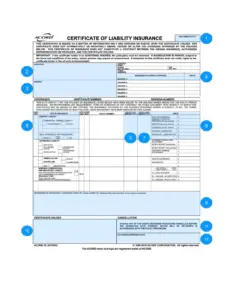
Cross‑check the contractor’s license number on the official regulatory website. Request a current COI and confirm that the policy is active for the duration of the project and any warranty period.
Step 4: Review Guarantees and Post‑Installation Support
Choose a provider that offers a performance guarantee, such as a 98 % output after 10 years, and a clear maintenance plan. For additional assurance, read Secure reliable solar installation with long‑term warranty protection – Expert Guide 2026 for insights on warranty structures.
Step 5: Sign a Comprehensive Contract
The contract should outline scope, payment schedule, permit responsibilities, insurance clauses, and dispute resolution mechanisms. A well‑drafted agreement reduces the risk of hidden costs and legal complications.
Table of Contents
- Step 3: Verify Licensing and Insurance
- Step 4: Review Guarantees and Post‑Installation Support
- Step 5: Sign a Comprehensive Contract
- Common Pitfalls and How to Avoid Them
- Frequently Asked Questions
- Do licensed installers guarantee system performance?
- Is insurance mandatory for solar installations?
- How long does a typical residential solar installation take?
- Can I add battery storage later?
- Conclusion: Secure Your Energy Future Today
Common Pitfalls and How to Avoid Them
- Skipping insurance verification: Uninsured installers can leave you liable for accidents, leading to unexpected expenses.
- Choosing the lowest bid without checking credentials: Extremely low offers often signal sub‑par materials or unqualified labor, which can void manufacturer warranties.
- Neglecting post‑installation monitoring: Without a monitoring system, performance issues may go unnoticed, reducing the system’s ROI.
- Ignoring local incentive deadlines: Many government rebates expire at the end of the fiscal year; delayed installation can forfeit up to 30 % of project costs.
Frequently Asked Questions
Do licensed installers guarantee system performance?
Most reputable firms offer a performance guarantee, typically promising that the system will produce at least 95–98 % of the estimated output for the first 10 years, provided routine maintenance is performed.
Is insurance mandatory for solar installations?
While not always a legal requirement, many municipalities and financing institutions (including banks offering solar loans) require proof of general liability and workers’ compensation insurance before permitting work.
How long does a typical residential solar installation take?
For a standard 5–7 kW system, the installation timeline ranges from 5 to 10 business days, plus additional time for permitting and inspection, which varies by jurisdiction.
Can I add battery storage later?
Yes, but it’s advisable to select a licensed installer who designs the electrical architecture with future expansion in mind. This reduces retrofitting costs and ensures compatibility with existing inverters.
Conclusion: Secure Your Energy Future Today
Investing in solar power is a strategic move toward energy independence and sustainability, but the value of that investment hinges on the expertise of the installer. By hiring a licensed and insured solar panel installation company today, you protect yourself from legal and financial risks, guarantee compliance with evolving standards, and unlock the full performance potential of your renewable energy system. Take the first step now—review qualified contractors, verify their credentials, and secure a partnership that aligns with your 2026 energy goals.