Choosing a professional solar installation company that guarantees safety isn’t just a precaution—it’s the cornerstone of a reliable, long‑lasting renewable energy system. Homeowners and businesses alike seek installers who combine certified expertise, full insurance coverage, and a solid warranty to protect their investment and ensure compliance with local codes. By partnering with a provider that offers a safety guarantee, you minimize risks such as faulty wiring, fire hazards, and costly re‑work, while maximizing the energy yield of your panels. For example, working with fully insured solar panel installation experts near you can give you peace of mind from the first site assessment to the final commissioning.
Why Safety Guarantees Matter in Solar Installations
Solar panels are exposed to harsh environmental conditions—extreme heat, wind, sand, and occasional hail. An improperly mounted system can lead to structural failures, electrical faults, or even fire. A safety guarantee from a reputable installer typically includes:
- Compliance with national and local electrical codes (e.g., NEC 2023 edition, UAE SANS standards).
- Use of UL‑listed components and certified mounting hardware.
- Comprehensive liability insurance that covers on‑site accidents and post‑installation damages.
- Post‑installation inspections performed by third‑party auditors.
According to the International Renewable Energy Agency (IRENA) 2026 Global Renewable Outlook, installations that adhere to strict safety standards show a 12 % lower failure rate over a 10‑year period compared with projects lacking formal guarantees.
Table of Contents
- Why Safety Guarantees Matter in Solar Installations
- Key Attributes of a Trustworthy Solar Installation Company
- 1. Certified Technicians and Full Insurance
- 2. Proven Track Record and Transparent Portfolio
- 3. Long‑Term Warranty and Maintenance Packages
- Step‑by‑Step Guide to Selecting the Right Installer
- Step 1: Verify Licensing and Insurance
- Step 2: Evaluate Technical Proposals
- Step 3: Compare Warranty Terms
- Step 4: Check Customer Feedback and Third‑Party Audits
- Step 5: Secure a Written Safety Guarantee
- Common Pitfalls and How to Avoid Them
- 1. Overlooking Insurance Limits
- 2. Ignoring System Compatibility
- 3. Skipping the Final Inspection
- Real‑World Example: A Corporate Campus Retrofit
- FAQ – Frequently Asked Questions
- What does a “safety guarantee” actually cover?
- Is full insurance mandatory for solar installers?
- How long should a workmanship warranty last?
- Can I get a safety guarantee on a DIY solar project?
- What role does a maintenance contract play in safety?
- Conclusion: Investing in Safety Pays Dividends
Key Attributes of a Trustworthy Solar Installation Company
1. Certified Technicians and Full Insurance
Professional installers must hold certifications such as NABCEP (North American Board of Certified Energy Practitioners) or the UAE’s Ministry of Energy accreditation. These credentials verify that technicians have completed rigorous training in electrical safety, system design, and performance optimization. Full insurance coverage—typically ranging from AED 5 million to AED 10 million in the Gulf region—protects both the client and the contractor against accidents, equipment loss, or property damage.
2. Proven Track Record and Transparent Portfolio
When evaluating candidates, request case studies or references that detail previous projects, especially those similar in scale or location. A company that openly shares its trusted solar panel installers with a proven track record demonstrates confidence in its workmanship and allows you to verify quality through real‑world outcomes.
3. Long‑Term Warranty and Maintenance Packages
A robust warranty is more than a marketing slogan; it’s a contractual safety net. Look for:
- Minimum 10‑year product warranty on panels and inverters.
- At least 5‑year workmanship warranty covering mounting, wiring, and grounding.
- Optional maintenance plans that include annual performance checks and cleaning.
Data from the Solar Energy Industries Association (SEIA) 2025 report indicates that customers who secure a full warranty and maintenance contract experience 8 % higher annual energy yields, largely due to timely issue detection.
Step‑by‑Step Guide to Selecting the Right Installer

Step 1: Verify Licensing and Insurance
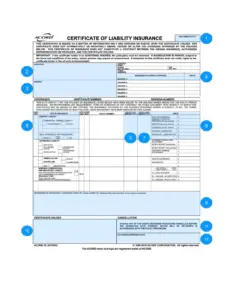
Ask for a copy of the contractor’s trade license, insurance certificate, and any relevant safety certifications. Cross‑check these documents with the local municipality’s online registry. Missing or expired paperwork is a red flag.
Step 2: Evaluate Technical Proposals
A credible installer will present a detailed proposal that includes system sizing calculations, shading analysis (using tools like PVsyst), and a clear breakdown of component brands. Look for mentions of “solar panel installation safety” protocols, such as ground‑fault circuit interrupters (GFCIs) and proper conduit routing.
Step 3: Compare Warranty Terms
Place warranty details side by side. The best offers combine a product warranty (typically from the manufacturer) with a separate workmanship guarantee that covers labor and installation errors. Companies that provide secure solar panel installation with certified technicians often bundle these warranties into a single, easy‑to‑understand agreement.
Step 4: Check Customer Feedback and Third‑Party Audits
Online reviews on platforms such as Google Business, Trustpilot, and local forums can reveal patterns—consistent praise for safety practices, or recurring complaints about delayed inspections. Independent audit reports, when available, add an extra layer of credibility.
Step 5: Secure a Written Safety Guarantee
Before signing, request a written safety guarantee that outlines:
- Specific safety measures to be implemented during installation.
- Responsibility for corrective actions if safety standards are not met.
- Procedures for post‑installation safety inspections.
Having this guarantee in writing protects you legally and ensures the installer is contractually bound to uphold the highest safety standards.
Common Pitfalls and How to Avoid Them
Even with diligent research, some pitfalls can slip through. Recognizing them early helps you stay on track.
1. Overlooking Insurance Limits
Some contractors carry “minimum” insurance that may not cover extensive damages. Always confirm the coverage amount and ask for a certificate of insurance that lists you as an additional insured party.
2. Ignoring System Compatibility
Choosing a low‑cost inverter that isn’t fully compatible with your panel’s voltage range can cause efficiency loss and safety issues. Certified installers will match components based on a comprehensive system design.
3. Skipping the Final Inspection
Even after the installer signs off, a third‑party inspection can validate that all safety measures—grounding, bonding, and proper clearance—are correctly installed. This extra step can be the difference between a safe system and a future liability.
Real‑World Example: A Corporate Campus Retrofit
In 2025, a multinational corporation in Dubai embarked on a 2 MW rooftop solar retrofit across three office buildings. The project manager selected a contractor with a full safety guarantee, certified NABCEP technicians, and a 10‑year workmanship warranty. The installer performed a drone‑based shading analysis, secured all permits, and used UL‑listed racking systems designed for high‑wind zones.
During the commissioning phase, a minor grounding issue was identified by an independent inspector. Because the safety guarantee stipulated immediate corrective action at no extra cost, the contractor resolved the problem within 48 hours, preventing a potential fire hazard. Post‑installation performance data showed a 15 % higher output than the projected baseline, illustrating how safety diligence directly translates to operational efficiency.
FAQ – Frequently Asked Questions
What does a “safety guarantee” actually cover?
It typically covers any installation‑related defects that could compromise electrical safety, including improper wiring, inadequate grounding, and non‑compliant mounting. The guarantee obligates the installer to remediate these issues at no additional charge within the warranty period.
Is full insurance mandatory for solar installers?
While not legally required in every jurisdiction, reputable companies carry comprehensive general liability and workers’ compensation insurance. This protects both the client’s property and the installer’s workforce in case of accidents.
How long should a workmanship warranty last?
Industry standards suggest a minimum of five years, but the most reliable firms offer ten‑year warranties, aligning with the typical lifespan of major system components.
Can I get a safety guarantee on a DIY solar project?
DIY installations generally lack the professional oversight required for a formal safety guarantee. However, you can hire a certified inspector to review your work and issue a safety certification, though this won’t replace a contractor’s liability coverage.
What role does a maintenance contract play in safety?
Regular maintenance—including visual inspections, cleaning, and performance monitoring—helps detect early signs of wear, corrosion, or loose connections that could become safety hazards. Many installers bundle maintenance with their warranty for a seamless safety net.
Conclusion: Investing in Safety Pays Dividends
Selecting a professional solar installation company that offers a safety guarantee is an investment in reliability, performance, and long‑term cost savings. By verifying certifications, insurance coverage, warranty terms, and third‑party audit results, you ensure that your solar system not only meets energy goals but also adheres to the highest safety standards. The extra diligence today prevents costly repairs, downtime, and potential hazards tomorrow, securing a clean, dependable energy future for your home or business.
Ready to take the next step? Explore options such as solar panel installation with full warranty and secure service to guarantee both performance and peace of mind.