2. Ignoring System Compatibility
Choosing a low‑cost inverter that isn’t fully compatible with your panel’s voltage range can cause efficiency loss and safety issues. Certified installers will match components based on a comprehensive system design.
3. Skipping the Final Inspection
Even after the installer signs off, a third‑party inspection can validate that all safety measures—grounding, bonding, and proper clearance—are correctly installed. This extra step can be the difference between a safe system and a future liability.
Real‑World Example: A Corporate Campus Retrofit
In 2025, a multinational corporation in Dubai embarked on a 2 MW rooftop solar retrofit across three office buildings. The project manager selected a contractor with a full safety guarantee, certified NABCEP technicians, and a 10‑year workmanship warranty. The installer performed a drone‑based shading analysis, secured all permits, and used UL‑listed racking systems designed for high‑wind zones.
Table of Contents
- 2. Ignoring System Compatibility
- 3. Skipping the Final Inspection
- Real‑World Example: A Corporate Campus Retrofit
- FAQ – Frequently Asked Questions
- What does a “safety guarantee” actually cover?
- Is full insurance mandatory for solar installers?
- How long should a workmanship warranty last?
- Can I get a safety guarantee on a DIY solar project?
During the commissioning phase, a minor grounding issue was identified by an independent inspector. Because the safety guarantee stipulated immediate corrective action at no extra cost, the contractor resolved the problem within 48 hours, preventing a potential fire hazard. Post‑installation performance data showed a 15 % higher output than the projected baseline, illustrating how safety diligence directly translates to operational efficiency.
FAQ – Frequently Asked Questions
What does a “safety guarantee” actually cover?
It typically covers any installation‑related defects that could compromise electrical safety, including improper wiring, inadequate grounding, and non‑compliant mounting. The guarantee obligates the installer to remediate these issues at no additional charge within the warranty period.
Is full insurance mandatory for solar installers?
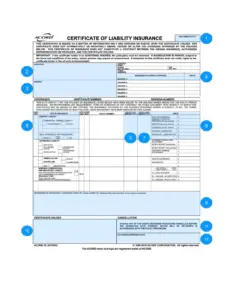
While not legally required in every jurisdiction, reputable companies carry comprehensive general liability and workers’ compensation insurance. This protects both the client’s property and the installer’s workforce in case of accidents.
How long should a workmanship warranty last?
Industry standards suggest a minimum of five years, but the most reliable firms offer ten‑year warranties, aligning with the typical lifespan of major system components.
Can I get a safety guarantee on a DIY solar project?
DIY installations generally lack the professional oversight required for a formal safety guarantee. However, you can hire a certified inspector to review your work and issue a safety certification, though this won’t replace a contractor’s liability coverage.