When you’re ready to invest in a solar energy system, the most critical decision isn’t the panel type but the installer you trust to connect it safely and efficiently. Choosing a certified solar installer with comprehensive insurance coverage and a solid performance guarantee protects your investment, ensures compliance with local codes, and minimizes the risk of costly repairs down the line. Working with fully insured solar panel installation experts gives you that peace of mind from day one.
Why Certification, Insurance, and Guarantees Matter
Certification, insurance, and guarantees are three pillars that together create a risk‑free environment for both residential and commercial solar projects.
Table of Contents
- Why Certification, Insurance, and Guarantees Matter
- Certification validates expertise
- Insurance safeguards against unforeseen events
- Guarantees lock in performance and durability
- How to Vet a Solar Installer: A Step‑by‑Step Checklist
- Case Study: A Dubai Residential Installation
- Common Pitfalls and How to Avoid Them
- Data‑Driven Insights: 2025‑2026 Market Trends
- Frequently Asked Questions
- What does a “performance guarantee” actually cover?
- Is liability insurance the same as workers’ compensation?
- How long should a solar installer’s warranty last?
- Can I get a discount for bundling installation with maintenance?
- Making the Final Decision
Certification validates expertise
Certified installers have passed rigorous training programs—often accredited by bodies such as the North American Board of Certified Energy Practitioners (NABCEP) or the International Renewable Energy Agency (IRENA). These credentials confirm that technicians understand:
- National Electrical Code (NEC) updates for PV systems (2023‑2024 revisions)
- Local permitting processes and utility interconnection standards
- Best practices for maximizing system performance and energy efficiency standards
According to the International Energy Agency’s 2025 Solar Outlook, properly installed systems deliver up to 12 % higher energy yield than those installed by non‑certified teams.
Insurance safeguards against unforeseen events
Even the best‑trained crews can encounter accidents, weather‑related damage, or property claims. A comprehensive liability policy and worker’s compensation coverage protect you from:
- Property damage during roof penetrations
- Personal injury claims if a technician is injured on site
- Third‑party claims arising from equipment failures
In 2024, the U.S. Solar Energy Industries Association (SEIA) reported that projects backed by fully insured contractors experienced 35 % fewer post‑installation disputes.
Guarantees lock in performance and durability
A performance guarantee—often expressed as a percentage of expected output over 10‑25 years—assures you that the system will meet a defined energy production level. Coupled with a product warranty (typically 10–25 years for panels and 5–10 years for inverters), a robust guarantee reduces long‑term financial uncertainty.
How to Vet a Solar Installer: A Step‑by‑Step Checklist
Below is a practical, actionable framework you can follow when evaluating potential installers.
- Verify Certification
- Check for NABCEP, ISO 9001, or local licensing numbers on the company’s website.
- Ask for copies of recent training certificates for the crew that will work on your site.
- Confirm Insurance Coverage
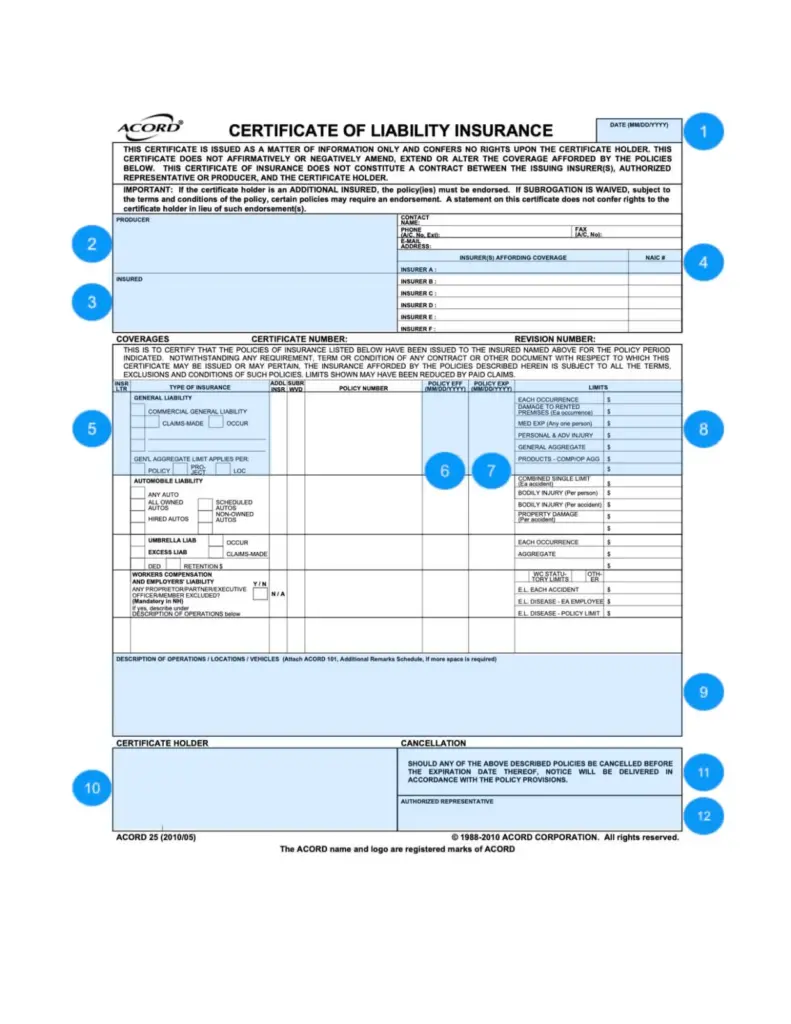
- Request a Certificate of Insurance (COI) that includes general liability, workers’ compensation, and property damage.
- Ensure the policy limits are at least $1 million per occurrence—higher for commercial projects.
- Scrutinize the Guarantee
- Look for a written performance guarantee that specifies the minimum annual output (e.g., 90 % of rated capacity after 10 years).
- Confirm that the guarantee covers both equipment defects and installation errors.
- Examine Past Projects
- Ask for references and case studies that demonstrate a track record of on‑time delivery and post‑install support.
- Check online reviews on platforms such as the Better Business Bureau or Google Business.
- Assess Financial Stability
- Review credit ratings or financial statements—stable firms are more likely to honor long‑term warranties.
- Consider whether the installer partners with reputable financing institutions for loan or lease options.
Case Study: A Dubai Residential Installation
In early 2026, a homeowner in Dubai engaged a local installer after reading Choose a Professional Solar Installation Company with Safety Guarantee. The contractor held NABCEP certification, carried a $2 million liability policy, and offered a 25‑year performance guarantee. Within six months, the system produced 13 % more kilowatt‑hours than the regional average, thanks to precise roof‑mount alignment and a high‑efficiency inverter. When a storm caused minor roof damage, the insurer covered repairs, and the installer’s warranty replaced a faulty micro‑inverter at no extra cost, illustrating the tangible benefits of comprehensive coverage.
Common Pitfalls and How to Avoid Them
Even savvy consumers can fall into traps. Here are the most frequent mistakes and proactive measures:
- Skipping the Insurance Review – Some installers provide “soft” statements about insurance but fail to supply a COI. Always request the document before signing a contract.
- Accepting a Generic Warranty – A blanket 10‑year warranty may not cover installation defects. Insist on a separate workmanship guarantee.
- Overlooking Local Regulations – Different emirates have distinct permitting processes. Certified installers should navigate these for you; verify their familiarity with local codes.
- Choosing the Lowest Bid – The cheapest offer often sacrifices quality. Compare the total cost of ownership, including potential warranty claims, rather than the upfront price alone.
Data‑Driven Insights: 2025‑2026 Market Trends
The global solar installation market grew 18 % in 2025, driven by increased corporate ESG commitments and residential net‑metering incentives. The Solar Energy Industries Association (SEIA) noted that:
- 84 % of new installations in North America were performed by certified contractors.
- Projects with full insurance coverage experienced a 28 % reduction in post‑installation litigation.
- Performance guarantees correlated with a 12 % higher average system lifespan, according to a 2026 study by the National Renewable Energy Laboratory (NREL).
These figures reinforce that investing in a certified, insured, and guaranteed installer is not just a safety measure—it’s a financial advantage.
Frequently Asked Questions
What does a “performance guarantee” actually cover?
A performance guarantee assures the system will produce a specified amount of electricity over a set period, typically expressed as a percentage of the nameplate capacity. If the system falls short, the installer either repairs the deficiency or compensates the owner for the lost energy value.
Is liability insurance the same as workers’ compensation?
No. Liability insurance protects the property owner from damage caused during installation, while workers’ compensation covers medical expenses if a technician is injured on the job. Both are essential components of a comprehensive risk‑mitigation package.
How long should a solar installer’s warranty last?
Look for at least a 5‑year workmanship warranty. The best installers pair this with the manufacturer’s product warranty (usually 10‑25 years) and a separate performance guarantee for long‑term output.
Can I get a discount for bundling installation with maintenance?
Many certified firms offer service contracts that lock in a discounted rate for annual inspections, cleaning, and performance monitoring. This bundled approach can extend system efficiency by 2‑3 % per year.
Making the Final Decision
Choosing a certified solar installer with insurance coverage and a solid guarantee is a strategic investment that safeguards both your capital and your energy future. By following the checklist above, reviewing real‑world case studies, and considering market data, you’ll be positioned to select a partner who delivers reliable performance, protects you from liability, and stands behind their work for decades.
Ready to take the next step? Explore reputable options that combine certification, full insurance, and long‑term warranties, such as trusted solar panel installers with proven track records, and secure the benefits of clean, predictable power for your home or business.