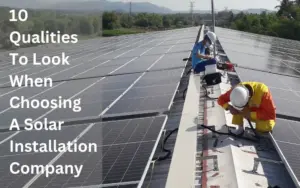
For anyone ready to transition to clean, cost‑stable electricity, the most reliable way to begin is to **book solar panel installation with trusted professionals who follow strict safety standards**. This approach guarantees optimal system performance, protects your property, and ensures compliance with local building codes—all essential for a seamless switch to renewable energy in 2026. Hire licensed & insured solar panel installers today to lock in the benefits before demand spikes later this year.
Why Professional Installation Matters More Than Ever in 2026

The solar market has exploded in the past two years. According to the International Renewable Energy Agency (IRENA) 2026 Outlook, global installed solar capacity grew by 18% YoY, driven by aggressive climate goals and falling panel prices. However, rapid growth also means a surge in DIY projects and unqualified contractors, which can jeopardize both safety and long‑term energy yield.
Table of Contents
- Why Professional Installation Matters More Than Ever in 2026
- Key Safety Standards Every Solar Installer Must Meet
- 1. Licensing and Insurance
- 2. Adherence to IEC 61730 and UL 1703
- 3. Structural Integrity Checks
- 4. Proper Grounding and Surge Protection
- Step‑by‑Step Guide to Booking the Right Solar Installation Service
- Common Pitfalls and How to Avoid Them
- Real‑World Case Study: From Consultation to Full‑Time Energy Savings
- Data‑Driven Outlook: Solar Adoption Trends for 2026
- Frequently Asked Questions (FAQ)
- What certifications should a solar installer hold?
- Is a permit always required for rooftop solar?
- How does insurance affect my solar investment?
- Can I combine solar panels with a battery storage system?
- What is the typical lifespan of a solar panel system?
- Next Steps: Secure Your Solar Future Today
- Performance Assurance: Certified installers conduct precise site assessments, angle calculations, and shading analyses that boost annual output by up to 15% compared with generic setups.
- Safety Compliance: Trained technicians follow the National Electrical Code (NEC) and local fire‑safety regulations, reducing the risk of electrical faults or roof damage.
- Warranty Validity: Most manufacturers require proof of professional installation to honor their 25‑year product warranty and any additional performance guarantees.
- Financial Incentives: Government rebates and net‑metering credits are often contingent on proof of a licensed contractor’s work.
Key Safety Standards Every Solar Installer Must Meet
1. Licensing and Insurance
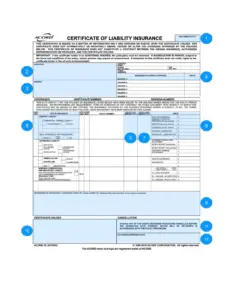
A reputable firm must hold a current electrical contractor’s license and carry both general liability and workers’ compensation insurance. This protects homeowners from potential lawsuits if an accident occurs on site. As highlighted in the Choose Certified Solar Installers With Insurance Coverage & Guarantee guide, insurers also assess the installer’s safety record before issuing coverage, which serves as an extra layer of quality control.
2. Adherence to IEC 61730 and UL 1703
These international standards govern photovoltaic module safety, including fire resistance and electrical isolation. Professional installers verify that every component—from inverter to mounting rails—meets or exceeds these certifications, ensuring the entire system can withstand local weather extremes.
3. Structural Integrity Checks
Before mounting panels, a certified engineer evaluates roof load capacity. In high‑wind regions, installers must incorporate wind‑uplift mitigation methods such as reinforced brackets or ballasted racking systems, as prescribed by the American Society of Civil Engineers (ASCE) 7‑16 standard.
4. Proper Grounding and Surge Protection
Grounding protects both the system and the building from lightning strikes and electrical surges. A qualified technician installs a dedicated grounding electrode and integrates surge protection devices (SPDs) that meet the IEC 61643‑11 criteria.
Step‑by‑Step Guide to Booking the Right Solar Installation Service
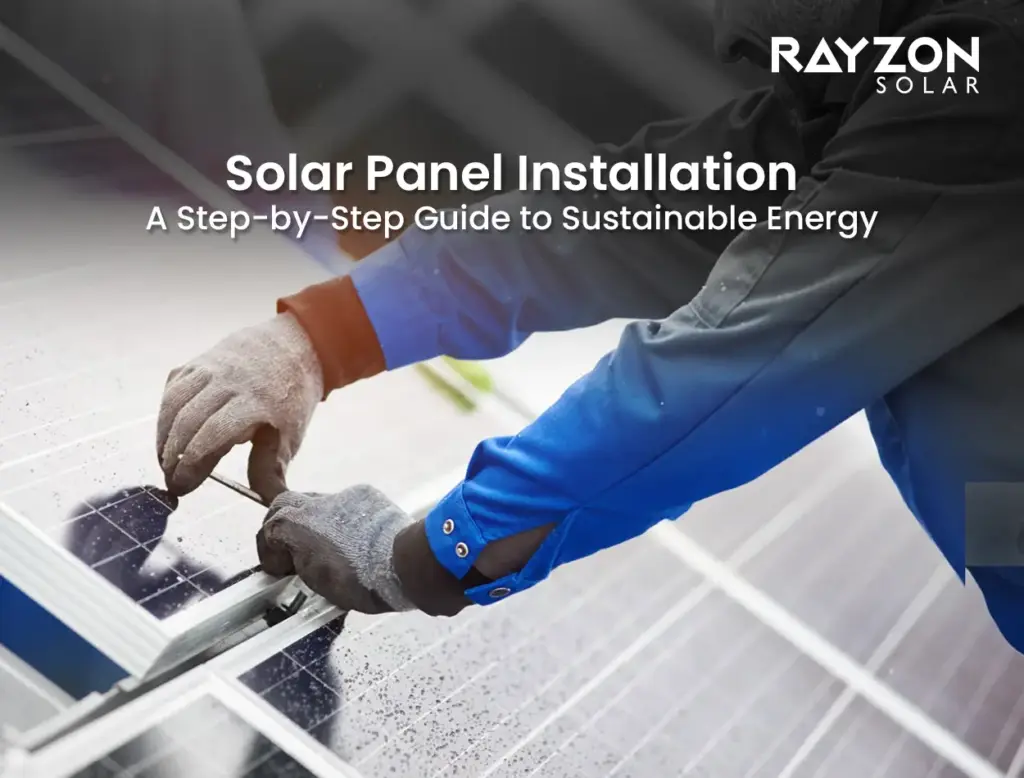
Following a structured process minimizes surprise costs and maximizes return on investment (ROI). Below is a practical roadmap for homeowners and small‑business owners.
- Define Your Energy Goals – Calculate current electricity consumption using utility bills and decide the desired offset (e.g., 70% of usage). Tools like the U.S. Energy Information Administration’s (EIA) calculator can help.
- Gather Preliminary Quotes – Request at least three detailed proposals from licensed firms. Each quote should break down equipment, labor, permitting fees, and projected payback period.
- Verify Credentials – Check the contractor’s license number on the local authority’s portal, confirm insurance coverage, and ask for references from recent installations.
- Assess System Design – Ensure the proposal includes a solar panel layout, shading analysis (using tools like PV‑Watts or Helioscope), and an estimated annual production figure.
- Confirm Warranty Packages – Look for combined product and workmanship warranties, preferably a minimum of 10 years on labor and 25 years on panel performance.
- Schedule Installation – Coordinate a date that allows for any necessary roof repairs or structural reinforcements beforehand.
- Final Inspection & Commissioning – After installation, a certified inspector should verify compliance with the local electrical code and issue a Certificate of Occupancy, if required.
Common Pitfalls and How to Avoid Them
- Choosing the Cheapest Quote – Low‑cost bids often skip essential steps like detailed shading studies, leading to under‑performing systems.
- Skipping Permits – Unpermitted installations can void insurance and lead to costly retrofits.
- Neglecting Maintenance Plans – Panels accumulate dust and debris; a professional cleaning schedule can retain up to 99% of rated efficiency.
- Overlooking Battery Integration – For homeowners seeking energy independence, ignoring storage options limits the ability to use solar power during grid outages.
Real‑World Case Study: From Consultation to Full‑Time Energy Savings
In March 2026, a Dubai‑based family of five partnered with a certified installer after reading the Work With Fully Insured Solar Panel Installation Experts Near You article. The process unfolded as follows:
- Initial Audit: A site survey identified a south‑facing roof with 250 m² usable area, yielding a potential 65 kW system.
- Design Optimization: Using 540‑W monocrystalline panels, the design incorporated micro‑inverters for module‑level monitoring, increasing resilience against partial shading.
- Installation: Certified technicians installed a racking system that met the local wind code of 140 km/h. The entire job was completed within 7 days.
- Outcome: The household reduced its electricity bill by 78% in the first year, and the system’s performance ratio stood at 0.92—well above the national average of 0.85.
The family also secured a 10‑year workmanship warranty and a 25‑year product guarantee, illustrating how professional installation safeguards both performance and financial returns.
Data‑Driven Outlook: Solar Adoption Trends for 2026
According to the International Energy Agency (IEA) World Energy Outlook 2026, solar PV accounted for 32% of all new electricity generation capacity added globally. In the United Arab Emirates, the Ministry of Energy reported a 22% YoY increase in residential solar installations, driven largely by government incentives and the growing availability of fully insured installers.
Financially, the average levelized cost of electricity (LCOE) for utility‑scale solar fell to $0.028/kWh in 2026, making it the cheapest new source of electricity in most markets. For residential systems, the payback period in sunny regions like the Middle East now averages 4.5 years, compared with 7–9 years a decade ago.
Frequently Asked Questions (FAQ)
What certifications should a solar installer hold?
Look for NABCEP (North American Board of Certified Energy Professionals) certification, local electrical licensing, and membership in recognized industry bodies such as the Solar Energy Industries Association (SEIA).
Is a permit always required for rooftop solar?
Yes, most municipalities mandate building and electrical permits. A professional installer will handle all paperwork and submit the necessary documentation to the local authority.
How does insurance affect my solar investment?
Insurance protects against property damage and liability during installation. Moreover, many lenders and warranty providers require proof of insured installation before financing or honoring warranty claims.
Can I combine solar panels with a battery storage system?
Absolutely. Battery integration adds resilience and enables self‑consumption of excess generation. Certified installers can design a hybrid system that complies with local interconnection standards.
What is the typical lifespan of a solar panel system?
Panels are rated for 25–30 years, with most manufacturers guaranteeing 80% of rated power after 25 years. Inverters usually require replacement every 10–15 years, a cost factored into the overall ROI analysis.
Next Steps: Secure Your Solar Future Today
Booking a solar panel installation with a trusted, safety‑focused contractor is no longer a luxury; it’s a strategic investment in energy security and environmental stewardship. By following the outlined steps—verifying licensing, demanding comprehensive warranties, and selecting installers who adhere to rigorous safety standards—you position yourself for maximum savings and peace of mind.
If you’re ready to move forward, start by consulting a certified provider who offers a full-service package, from design to post‑installation maintenance. Get secure solar panel installation with certified technicians now and join the growing community of homeowners who are already enjoying cleaner, cheaper electricity.
---
For further reading, see the Wikipedia overview of solar panel technology: Solar panel.