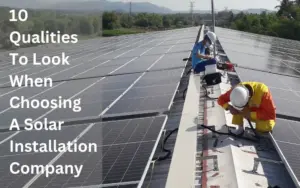
For anyone ready to transition to clean, cost‑stable electricity, the most reliable way to begin is to **book solar panel installation with trusted professionals who follow strict safety standards**. This approach guarantees optimal system performance, protects your property, and ensures compliance with local building codes—all essential for a seamless switch to renewable energy in 2026. Hire licensed & insured solar panel installers today to lock in the benefits before demand spikes later this year.
Why Professional Installation Matters More Than Ever in 2026

The solar market has exploded in the past two years. According to the International Renewable Energy Agency (IRENA) 2026 Outlook, global installed solar capacity grew by 18% YoY, driven by aggressive climate goals and falling panel prices. However, rapid growth also means a surge in DIY projects and unqualified contractors, which can jeopardize both safety and long‑term energy yield.
- Performance Assurance: Certified installers conduct precise site assessments, angle calculations, and shading analyses that boost annual output by up to 15% compared with generic setups.
- Safety Compliance: Trained technicians follow the National Electrical Code (NEC) and local fire‑safety regulations, reducing the risk of electrical faults or roof damage.
- Warranty Validity: Most manufacturers require proof of professional installation to honor their 25‑year product warranty and any additional performance guarantees.
- Financial Incentives: Government rebates and net‑metering credits are often contingent on proof of a licensed contractor’s work.
Key Safety Standards Every Solar Installer Must Meet
1. Licensing and Insurance
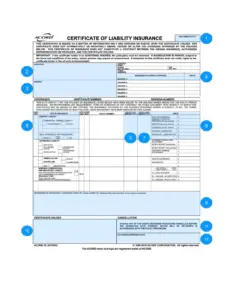
A reputable firm must hold a current electrical contractor’s license and carry both general liability and workers’ compensation insurance. This protects homeowners from potential lawsuits if an accident occurs on site. As highlighted in the Choose Certified Solar Installers With Insurance Coverage & Guarantee guide, insurers also assess the installer’s safety record before issuing coverage, which serves as an extra layer of quality control.
Table of Contents
- Why Professional Installation Matters More Than Ever in 2026
- Key Safety Standards Every Solar Installer Must Meet
- 1. Licensing and Insurance
- 2. Adherence to IEC 61730 and UL 1703
- 3. Structural Integrity Checks
- 4. Proper Grounding and Surge Protection
- Step‑by‑Step Guide to Booking the Right Solar Installation Service
2. Adherence to IEC 61730 and UL 1703
These international standards govern photovoltaic module safety, including fire resistance and electrical isolation. Professional installers verify that every component—from inverter to mounting rails—meets or exceeds these certifications, ensuring the entire system can withstand local weather extremes.
3. Structural Integrity Checks
Before mounting panels, a certified engineer evaluates roof load capacity. In high‑wind regions, installers must incorporate wind‑uplift mitigation methods such as reinforced brackets or ballasted racking systems, as prescribed by the American Society of Civil Engineers (ASCE) 7‑16 standard.
4. Proper Grounding and Surge Protection
Grounding protects both the system and the building from lightning strikes and electrical surges. A qualified technician installs a dedicated grounding electrode and integrates surge protection devices (SPDs) that meet the IEC 61643‑11 criteria.
Step‑by‑Step Guide to Booking the Right Solar Installation Service
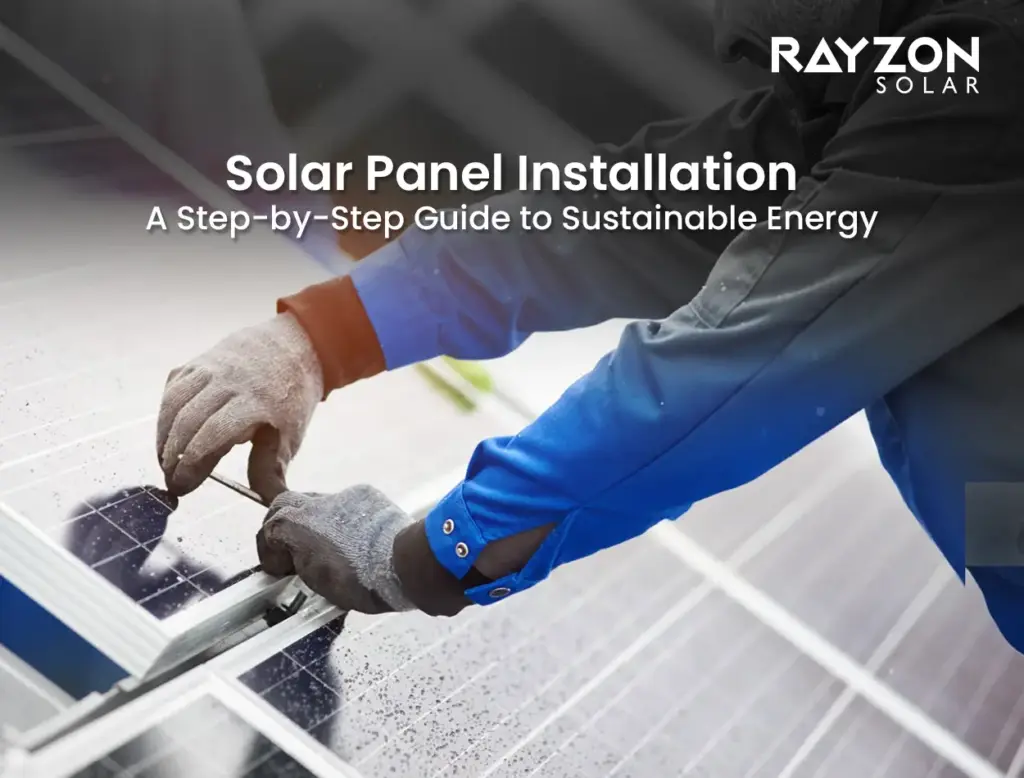
Following a structured process minimizes surprise costs and maximizes return on investment (ROI). Below is a practical roadmap for homeowners and small‑business owners.