Furthermore, a 2025 study by the Emirates Energy Authority found that:
- 90 % of installers with a documented track record met or exceeded the performance guarantee.
- Average payback period shortened from 7.5 years (average installers) to 5.8 years (proven installers).
Actionable Steps to Hire the Right Installer Today
Step 1: Verify Credentials
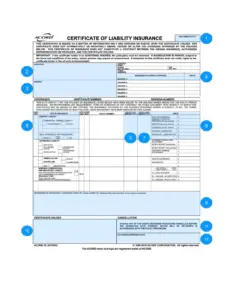
Request copies of certifications, insurance policies, and licensing. Confirm that the installer is listed on the official DEWA approved contractor registry.
Step 2: Review Past Projects
Ask for at least three recent references. Check if the projects are similar in size and location to yours. An installer who can demonstrate consistent performance across diverse environments is less likely to encounter unforeseen issues.
Table of Contents
- Actionable Steps to Hire the Right Installer Today
- Step 1: Verify Credentials
- Step 2: Review Past Projects
- Step 3: Compare Warranty Packages
- Step 4: Obtain Detailed Quote
- Step 5: Assess Post‑Installation Support
- Common Pitfalls and How to Avoid Them
- Frequently Asked Questions
- What is the average installation time for a residential 5 kW system?
- Can I finance my solar system through the installer?
Step 3: Compare Warranty Packages
Evaluate the length and scope of workmanship warranties alongside manufacturer warranties. A combined warranty of 10 years is a strong indicator of confidence in installation quality.
Step 4: Obtain Detailed Quote
The quote should break down costs for design, permitting, equipment, labor, and post‑installation monitoring. Hidden fees often signal inexperienced contractors.
Step 5: Assess Post‑Installation Support
Choose an installer that offers ongoing performance monitoring, routine maintenance, and a clear escalation path for service calls. This is highlighted in the Get Solar Panel Installation With Full Warranty And Secure Service – Complete 2026 Guide, which emphasizes the importance of long‑term support.
Common Pitfalls and How to Avoid Them
- Skipping the shading study: Even minor obstructions can reduce output by up to 15 %.
- Choosing the cheapest inverter: Low‑cost inverters may lack advanced MPPT (Maximum Power Point Tracking) capabilities, leading to lower energy harvest.
- Neglecting local regulations: Non‑compliant installations risk fines or forced removal.
- Ignoring warranty clauses: Some contracts void warranties if the installation deviates from the approved design.
Frequently Asked Questions
What is the average installation time for a residential 5 kW system?
In 2026, certified installers report a median duration of 3–5 business days, including permitting and final inspection.
Can I finance my solar system through the installer?
Many reputable contractors partner with UAE‑approved green financing institutions, offering zero‑down leases with fixed monthly payments that are often lower than the utility bill.