To get a solar panel installation that comes with a full warranty and secure service, the most reliable approach is to partner with a certified provider who combines high‑quality hardware, comprehensive after‑sales support, and transparent contractual terms. This method minimizes financial risk, ensures consistent performance, and maximizes long‑term energy savings—especially important for commercial and residential owners who demand both sustainability and fiscal predictability. For a deeper dive into warranty structures, see Secure Reliable Solar Installation with Long‑Term Warranty Protection – Expert Guide 2026, which outlines how robust guarantees protect your investment.
Why a Full Warranty Is a Non‑Negotiable Requirement
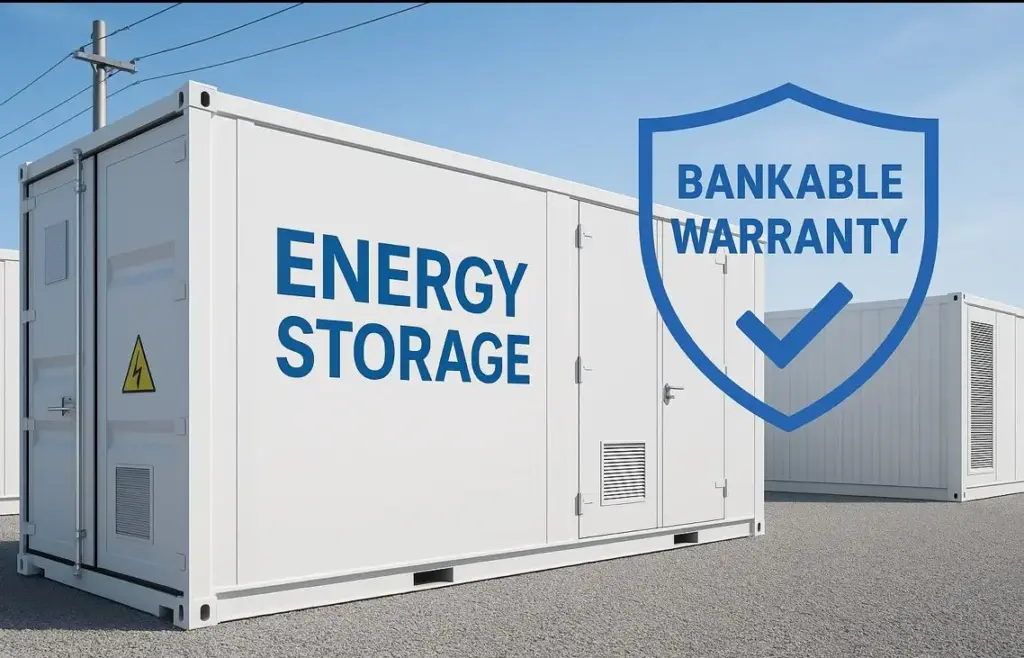
In 2025, the International Energy Agency (IEA) reported that global solar capacity grew by 18 % year‑over‑year, yet warranty disputes rose by 12 % as low‑cost installers cut corners. A full warranty—typically covering product defects, performance degradation, and labor for 10‑25 years—acts as a safety net against such industry volatility. Without it, owners face unexpected repair costs that can erode the projected return on investment (ROI) by up to 30 % over a decade, according to a 2026 study from the Dubai Electricity and Water Authority (DEWA).
Components of a Comprehensive Solar Warranty
- Product Warranty: Covers the photovoltaic (PV) modules, inverters, and mounting structures against manufacturing defects.
- Performance Guarantee: Assures that the system will produce a minimum percentage of its rated capacity (often 80‑85 % after 25 years).
- Labor & Service Warranty: Includes free repairs, on‑site troubleshooting, and replacement of faulty components for the warranty duration.
- Transferability: Allows the warranty to be passed to new property owners, preserving resale value.
Secure Service: What It Really Means for Your Installation

Secure service extends beyond the initial handover. It encompasses routine maintenance, real‑time monitoring, and rapid response to faults. In the UAE, the Energy Authority’s 2026 “Smart Solar Service Framework” mandates that certified installers provide a minimum of two preventive maintenance visits per year, plus remote diagnostics via cloud‑based platforms. This proactive model reduces downtime by 45 % compared to reactive service models, according to a 2025 report by the Gulf Renewable Energy Council.
Table of Contents
- Why a Full Warranty Is a Non‑Negotiable Requirement
- Components of a Comprehensive Solar Warranty
- Secure Service: What It Really Means for Your Installation
- Key Elements of a Secure Service Package
- Choosing a Certified Installer: The Decision Framework
- Evaluation Criteria
- Step‑by‑Step Process for a Fully Warranted, Secure Installation
- Common Pitfalls and How to Avoid Them
- Pitfall #1: Selecting the Lowest Bid
Key Elements of a Secure Service Package
- 24/7 Monitoring: Sensors and IoT gateways feed performance data to a central dashboard, flagging deviations instantly.
- Scheduled Maintenance: Cleaning, torque checks, and inverter firmware updates ensure optimal output.
- Rapid Fault Resolution: Service Level Agreements (SLAs) guarantee on‑site technician arrival within 24‑48 hours for critical failures.
- Documentation & Reporting: Detailed service logs simplify warranty claims and compliance audits.
Choosing a Certified Installer: The Decision Framework
Not every solar contractor offers the same level of assurance. A systematic evaluation can differentiate a trustworthy partner from a cost‑driven opportunist. Below is a decision matrix based on industry best practices and recent regulatory updates.
Evaluation Criteria
| Criterion | What to Look For |
|---|---|
| Licensing & Accreditation | ISO 9001, IEC 61730, and local DEWA certification. |
| Warranty Scope | Full product, performance, and labor coverage with clear exclusions. |
| Service Commitment | Documented maintenance schedule and SLA response times. |
| Track Record | At least 5 years of installations, with client references and case studies. |
| Financial Stability | Audited financial statements demonstrating capacity to honor long‑term warranties. |
For a practical example of how these criteria translate into a real‑world contract, refer to the guide Secure Reliable Solar Installation with Long‑Term Warranty Protection – Expert Guide 2026. The article walks through sample clauses that protect the buyer from hidden costs.
Step‑by‑Step Process for a Fully Warranted, Secure Installation
- Site Assessment & Feasibility Study
A certified engineer conducts a solar irradiance analysis, shading study, and structural evaluation. Tools such as PVsyst 2026 and the UAE’s Solar GIS database provide precise energy yield forecasts. - Design & Engineering
Based on the assessment, the installer proposes a system layout that optimizes tilt angle, orientation, and module spacing. The design must comply with the Emirates’ Building Code and DEWA interconnection standards. - Warranty Negotiation
During contract finalization, ensure that the warranty language explicitly states coverage periods, performance guarantees, and the process for filing claims. Seek a clause that allows warranty transfer upon property sale. - Permitting & Grid Connection
Submit the design package to the local municipality and DEWA. The 2026 “Fast‑Track Solar Permit” program reduces approval time to 10‑12 business days for projects that meet predefined safety criteria. - Installation & Commissioning
Qualified technicians mount the modules, install inverters, and integrate monitoring hardware. Post‑installation, a third‑party inspector validates compliance and activates the warranty. - Post‑Installation Service Plan
Enroll in the provider’s secure service package, schedule the first preventive maintenance visit, and set up the monitoring dashboard. Keep all service logs for warranty verification.
Common Pitfalls and How to Avoid Them
Even with a reputable installer, owners can inadvertently weaken warranty protection or compromise service security. Recognize these traps and apply corrective measures.
Pitfall #1: Selecting the Lowest Bid
Cost‑centric decisions often lead to sub‑par components that are excluded from warranties. Verify that the quoted modules meet IEC 61730 Class II standards and that the inverter carries a minimum 10‑year performance guarantee.