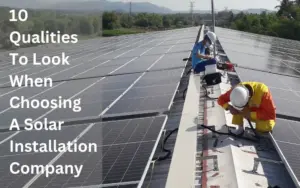
To order solar panel installation from certified and verified contractors, start by confirming the installer’s credentials, warranty coverage, and compliance with local regulations; this ensures a hassle‑free, high‑performance photovoltaic system. By partnering with professionals who hold recognized certifications—such as NABCEP or ISO 9001—you protect your investment and accelerate the transition to clean energy. For a comprehensive overview of warranty‑backed services, see our full‑warranty guide which walks you through every phase of the process.
Why Certified & Verified Contractors Matter
In 2026, the renewable‑energy market has become increasingly competitive, but not all providers uphold the same standards. Certified contractors bring three decisive advantages:
- Technical competence: Certifications from bodies like the North American Board of Certified Energy Practitioners (NABCEP) verify that the installer has passed rigorous examinations on system design, safety, and performance.
- Regulatory compliance: Verified contractors are listed in government or municipal registries, ensuring they meet local building codes and utility interconnection rules.
- Consumer protection: A full‑warranty package, often extending 10‑25 years, shields homeowners from equipment failures and workmanship defects.
Choosing a contractor who ticks all these boxes reduces the risk of costly retrofits and aligns your project with the broader goal of energy efficiency and green building practices.
Table of Contents
Benefits of Full Warranty and Secure Service
A robust warranty is more than a sales gimmick; it is a financial safety net. According to the International Renewable Energy Agency (IRENA) 2026 market analysis, the average return on investment (ROI) for residential solar systems with a 20‑year warranty improved by 4.3 % compared with those offering only a 5‑year guarantee. The key benefits include:
- Peace of mind: Coverage typically includes panel performance, inverter replacement, and labor costs.
- Higher resale value: Homes equipped with a guaranteed system attract premium buyers, as highlighted in a 2025 Dubai Real Estate Report.
- Reduced maintenance burden: Certified service teams proactively monitor system health through remote diagnostics.
For an in‑depth discussion on long‑term warranty protection, refer to our expert guide, which outlines how to evaluate warranty clauses and service agreements.
How to Verify Contractor Credentials
Before signing a contract, follow this verification checklist:
- Check the contractor’s license number on the local municipality’s portal.
- Confirm certification status on the NABCEP or ISO registry.
- Request a copy of recent project references, ideally within the past two years.
- Review customer feedback on independent platforms such as Trustpilot or Google Business.
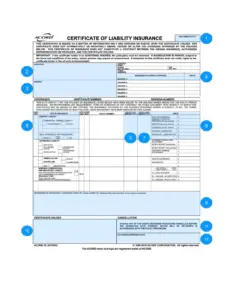
- Ensure the company carries liability insurance and workers’ compensation.
These steps filter out unqualified providers and help you select a partner capable of delivering a reliable solar energy solution.
Step‑by‑Step Guide to Ordering Solar Panel Installation
1. Conduct a Site Assessment
Professional installers will perform a site survey to evaluate roof orientation, shading, structural integrity, and local solar irradiance. In 2026, drone‑based thermographic inspections have become standard, providing precise measurements in under an hour.